



For the last few years, equity markets created an illusion that returns were effortless, even as Commercial Real Estate steadily attracted patient capital. New investors entered in large numbers, drawn by rising indices, social media narratives, and short-term gains that appeared almost guaranteed.
But 2025 has started to expose the other side of that story.
According to data from the Association of Mutual Funds in India, equity mutual fund inflows between January and November 2025 declined to ₹3.22 lakh crore, compared to a peak of ₹3.94 lakh crore in 2024. The slowdown is not dramatic — but it is directional.

And direction matters more than headlines.
𝐖𝐡𝐞𝐧-𝐑𝐞𝐭𝐮𝐫𝐧𝐬 𝐃𝐞𝐜𝐥𝐢𝐧𝐞, 𝐑𝐞𝐚𝐥𝐢𝐭𝐲 𝐒𝐞𝐭𝐬 𝐈𝐧
As markets cooled, return expectations softened.
Portfolios that once showed steady notional gains began to fluctuate. For many first-time and retail-heavy investors, this phase has resulted in:
- Lower or flat returns.
- Increased drawdowns during volatility.
- Anxiety driven by mark-to-market losses.
- A sudden realisation that markets don’t move only one way.
This is the bubble-phase correction — not a crash, but a reality check.
For beginners who entered at elevated valuations, this period is emotionally and financially testing. Returns haven’t disappeared, but certainty has.
𝐓𝐡𝐞 𝐁𝐞𝐠𝐢𝐧𝐧𝐞𝐫’𝐬 𝐋𝐨𝐬𝐬 𝐯𝐬 𝐭𝐡𝐞 𝐌𝐚𝐭𝐮𝐫𝐞 𝐈𝐧𝐯𝐞𝐬𝐭𝐨𝐫’𝐬 𝐑𝐞𝐬𝐩𝐨𝐧𝐬𝐞
This phase typically separates two kinds of investors:
𝟏. The Beginner
- Entered during peak optimism.
- Focused primarily on returns.
- Reacts emotionally to volatility.
- Discovers risk only after returns decline.
𝟐. The Intellectual / Experienced Investor
- Accepts that returns are cyclical.
- Focuses on downside protection.
- Prioritises capital stability over excitement.
- Rebalances before losses compound.
While beginners absorb the learning cost of market cycles, experienced capital quietly adjusts allocation.
This is where attitude shifts from risk appetite to risk management.
𝐅𝐫𝐨𝐦 𝐂𝐡𝐚𝐬𝐢𝐧𝐠 𝐑𝐞𝐭𝐮𝐫𝐧𝐬 𝐭𝐨 𝐂𝐨𝐧𝐭𝐫𝐨𝐥𝐥𝐢𝐧𝐠 𝐑𝐢𝐬𝐤
At a certain portfolio size, the objective changes.
The question is no longer:
“How much can I make?”
It becomes:
“𝐇𝐨𝐰 𝐦𝐮𝐜𝐡 𝐜𝐚𝐧 𝐈 𝐩𝐫𝐨𝐭𝐞𝐜𝐭 𝐰𝐡𝐢𝐥𝐞 𝐬𝐭𝐢𝐥𝐥 𝐞𝐚𝐫𝐧𝐢𝐧𝐠?”
In periods of moderate equity returns, investors increasingly prioritise assets that provide stable valuations by avoiding daily price resets, remain grounded in fundamental performance rather than market sentiment, ensure clear income visibility, and ultimately serve to dampen emotional volatility within the portfolio.
This is precisely where Commercial Real Estate (CRE) starts to gain preference.
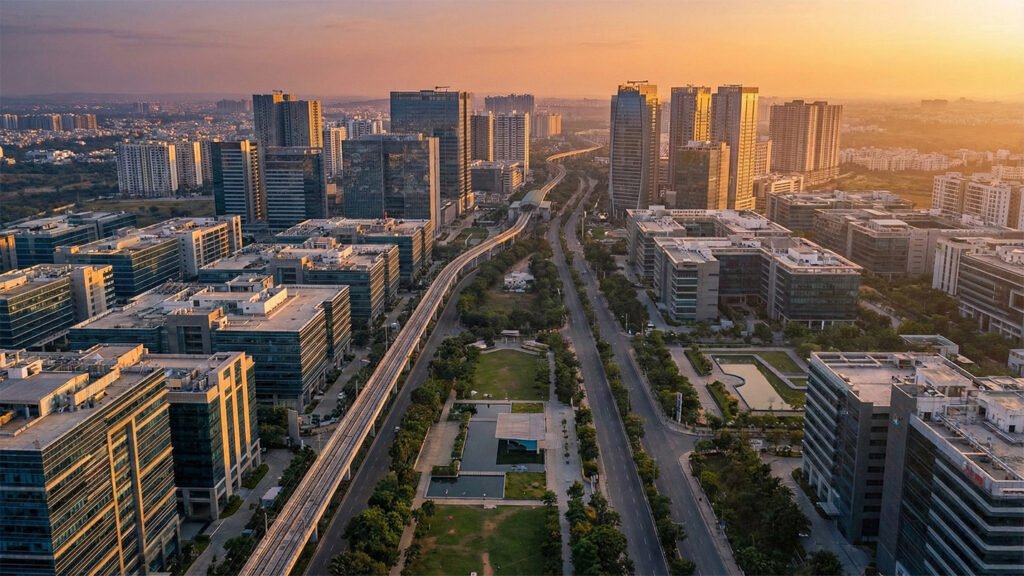
𝐖𝐡𝐲 𝐂𝐨𝐦𝐦𝐞𝐫𝐜𝐢𝐚𝐥 𝐑𝐞𝐚𝐥 𝐄𝐬𝐭𝐚𝐭𝐞 𝐁𝐞𝐜𝐨𝐦𝐞𝐬 𝐭𝐡𝐞 𝐂𝐫𝐨𝐬𝐬𝐨𝐯𝐞𝐫 𝐀𝐬𝐬𝐞𝐭
Commercial real estate sits at the crossover point between risk appetite and risk control.
Unlike equities:
- Income is contractual, not speculative.
- Cash flows are governed by lease agreements.
- Volatility is structurally lower.
- Returns are not exposed to daily market sentiment.
For investors stepping back from high-risk exposure, CRE offers a way to stay invested without staying exposed.
𝐖𝐡𝐲 𝐇𝐲𝐝𝐞𝐫𝐚𝐛𝐚𝐝 𝐈𝐬 𝐀𝐛𝐬𝐨𝐫𝐛𝐢𝐧𝐠 𝐓𝐡𝐢𝐬 𝐒𝐡𝐢𝐟𝐭 𝐢𝐧 𝐂𝐚𝐩𝐢𝐭𝐚𝐥
Capital migration into commercial real estate is selective – not all cities benefit equally.
Hyderabad has emerged as a preferred destination because:
- Demand is occupier-led, not speculative.
- Global IT firms and GCCs continue to expand.
- Office absorption remains structurally strong.
- Infrastructure and governance support long-term growth.
For investors looking to reduce equity risk without sacrificing growth, Hyderabad offers visibility and depth.
𝐖𝐡𝐞𝐫𝐞 𝐓𝐡𝐢𝐬 𝐒𝐡𝐢𝐟𝐭 𝐀𝐥𝐢𝐠𝐧𝐬 𝐨𝐧 𝐭𝐡𝐞 𝐆𝐫𝐨𝐮𝐧𝐝
A commercial development that aligns with this risk-moderation mindset is SAS iTower.
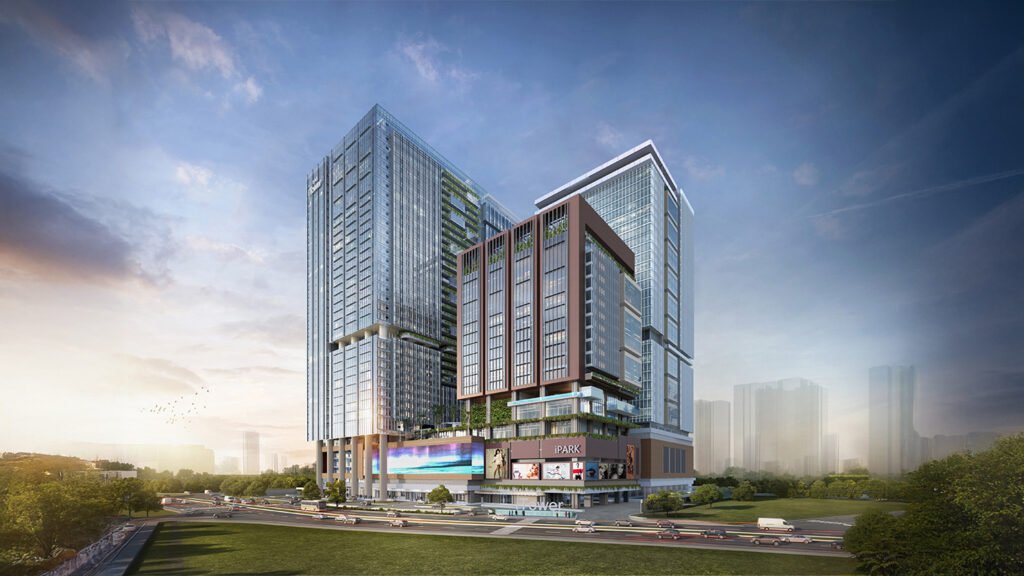
Developed across approximately 10.36 acres, with ~120,000 sq ft. floor plates per level, it caters to large enterprises seeking consolidation & long-term occupancy – a critical factor for income stability.
Integrated commercial ecosystems that include retail, food, leisure, and entertainment further strengthen tenant retention, making such assets more resilient during market slowdowns.
Conclusion
Every market cycle has a teaching moment.
In 2025, that lesson is clear:
“Returns fluctuate, but risk remains permanent”.
As equity returns moderate and beginners feel the weight of volatility, intellectually disciplined investors are shifting toward assets that balance income,stability, and long-term relevance. Commercial real estate – especially in resilient markets like Hyderabad – represents that crossover point where risk appetite evolves into risk intelligence.
Smart money doesn’t wait for fear.
It moves when clarity appears.
TS RERA NUMBER: P02400000878 | http://rera.telangana.gov.in